
Fashion trends change quickly and many clothing brands take advantage of this. They produce new, trendy items at a rapid pace. This allows consumers to buy the latest trendy styles for inexpensive prices. This is called ”‘fast fashion”. Fast fashion is the act of clothing retailers rapidly designing, mass-producing, and marketing inexpensive garments that mimic the latest runway trends. While it may seem convenient for most people, fast fashion has significant environmental and social consequences.

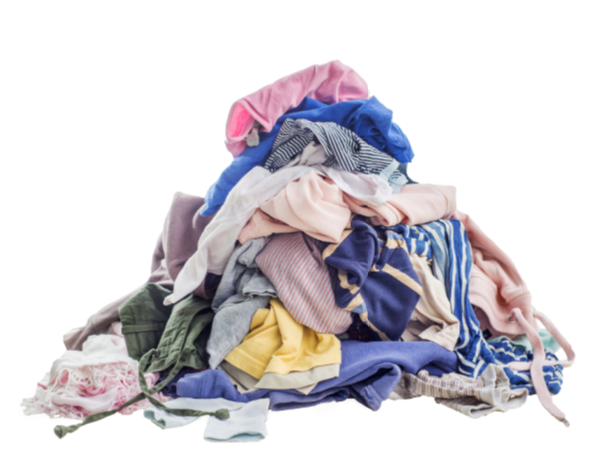
One of the biggest issues with fast fashion is waste. Millions of clothing items are discarded each year. These clothing items usually end up in landfills after being thrown away. Many fast-fashion items are made from low-quality materials. These materials tend to wear out quickly because they’re less durable. Because of this, they are often thrown away after only a few uses.
This cycle of buying and discarding clothing contributes to growing environmental problems. This ends up causing a major increase in landfill waste throughout our planet. Since these clothing items are made from low quality materials, they will not biodegrade.
According to Cottonique, polyester is a synthetic fabric that takes around 20 to 200 years to decompose, polluting marine bodies and harming the environment in the process. A quick Google search will tell you that most clothing items, over 60%, are made from or include, polyester.
Gaia Combats Fast Fashion
When Gaia collects gently used textiles in our sustainable drop-boxes, that diverts them from landfills. This action saves resources, reduces greenhouse gases, and provides clothes for hundreds of thousands of people. Our drop-boxes provide a convenient way for people to discard their textiles in an environmental way.
Besides just environmental concerns, fast fashion has raised questions about labor practices. Some workers in other countries have to deal with low pay, long hours, and dangerous working conditions. For example, Bangladesh has historically maintained some of the lowest garment minimum wages in the world. Earthday talks about how the legal system in Bangladesh has historically restricted workers’ rights. Whenever workers go on strike or march for better pay, those in charge of their system have used force and mass arrests to stop the protests.
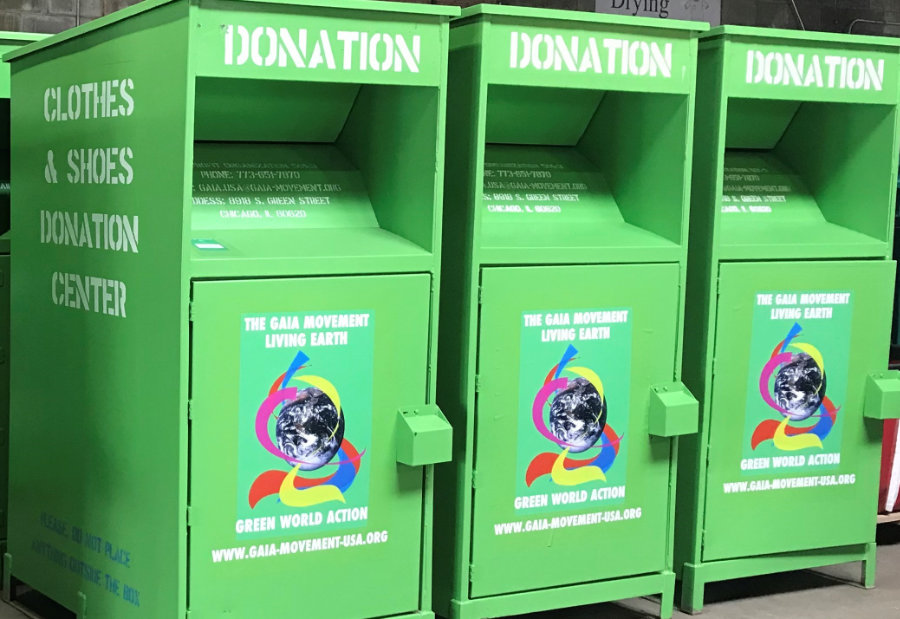
In order to help there are many different ways to reduce the impact of fast fashion. The Gaia-Movement Climate Center can help you when you donate unwanted clothing into our donation bins. The Gaia-Movement Climate Center educates people on what to know about the environment. The goal is to give people the tools to be aware about environmentalism and the part they play. This can help promote a more sustainable approach to fashion. We think that prioritizing ethical and environmentally friendly habits into our routine can also make a difference.
As the Gaia-Movement we urge you to avoid fast fashion methods as much as possible. Fast fashion adds so much unnecessary waste to the planet. Fast fashion isn’t only a danger to our environment but it is also harmful to people as well and we want to continue to strive toward a green planet.
You Have Options to Combat Fast Fashion
Now, some people switch out their clothes and shoes frequently in order to keep up with popular trends, as gifts, or for vacations. Even though many people believe that this will help them or bring them joy, it has many hidden costs that affect both the people and planet. What we can all do to help reduce textile waste is to carefully decide what we buy, what we wear, and what we do once we’ve outgrown our garments. This thought process can help create a more sustainable future for the fashion industry.
People love to buy new things. Companies use ads on TV and social media to make us feel like we need to buy new products to be happy. This causes us to buy way more than we actually need. This vast amount of trash and pollution, increasing greenhouse gas emissions. This leaves a huge “carbon footprint”. A carbon footprint is the total amount of greenhouse gases released by one person or organization. These gases cause damage to our air and climate.
We believe it’s important to change your daily habits and think differently about the things you buy to reduce mass consumption. If we control how much we produce and consume, along with how much we spend, it will reduce textile waste in landfills and help the environment.